

Interviewing & Translation
“Whatever it is, wherever you are - there is always someone who wants to hear about it.”
In 2018 and 2019, Justin was hired as a freelance interviewer and translator to work on a number of pieces of investigative, broadcast, and scientific journalism as contracted by Re:Source Media Inc. The pieces included:
Inside look at the headquarters of Chinese tech giant Cheetah Mobile for a documentary called China 2.0 about Chinese technological development.
Coverage of the 30th Anniversary of Kubuqi Desert Eco-Restoration and the appearance of the UN Under Secretary General to be sourced to CNN Asia.
“Cancer Hotels” and the heartwarming story of a mother going through brain surgery with an AI robotic surgeon to be sourced to the Chinese Global Television Network (CGTN).

The Best Re:Source
Re:Source Media is an integrated broadcast organization that develops media properties for the world. Check out more about them below!
Cheetah Mobile
At the time, the Chinese-based tech firm Cheetah Mobile was the second largest app developer on the Google’s Play Store - a huge feat for an app downloading medium that catered to a Westernized audience. Originally Justin was just forwarded a list of questions to direct at someone specializing in AI game development in the company for the documentary called “China 2.0”. Upon arriving at the headquarters, he realized this company was a lot bigger than he thought. After being greeted by a reception robot, he was directed to the help desk where he registered his facial data to enter the gates where he practiced the elaborate interview questions in both Mandarin & English. After being greeted by the executive staff, he toured the facility and got to see notable technology such as an AI developed speaker, and cutting-edge robotic arm technology. After making his way to the interview room he found out that he would be interviewing their CEO, Sheng Fu. He was personally able to witness Mr. Fu’s introduction of their newly developed translation miniature microphone prior to release. After performing better than the production manager expected, they even offered him to shoot a fully-staffed audition for the documentary on the very streets of Beijing.
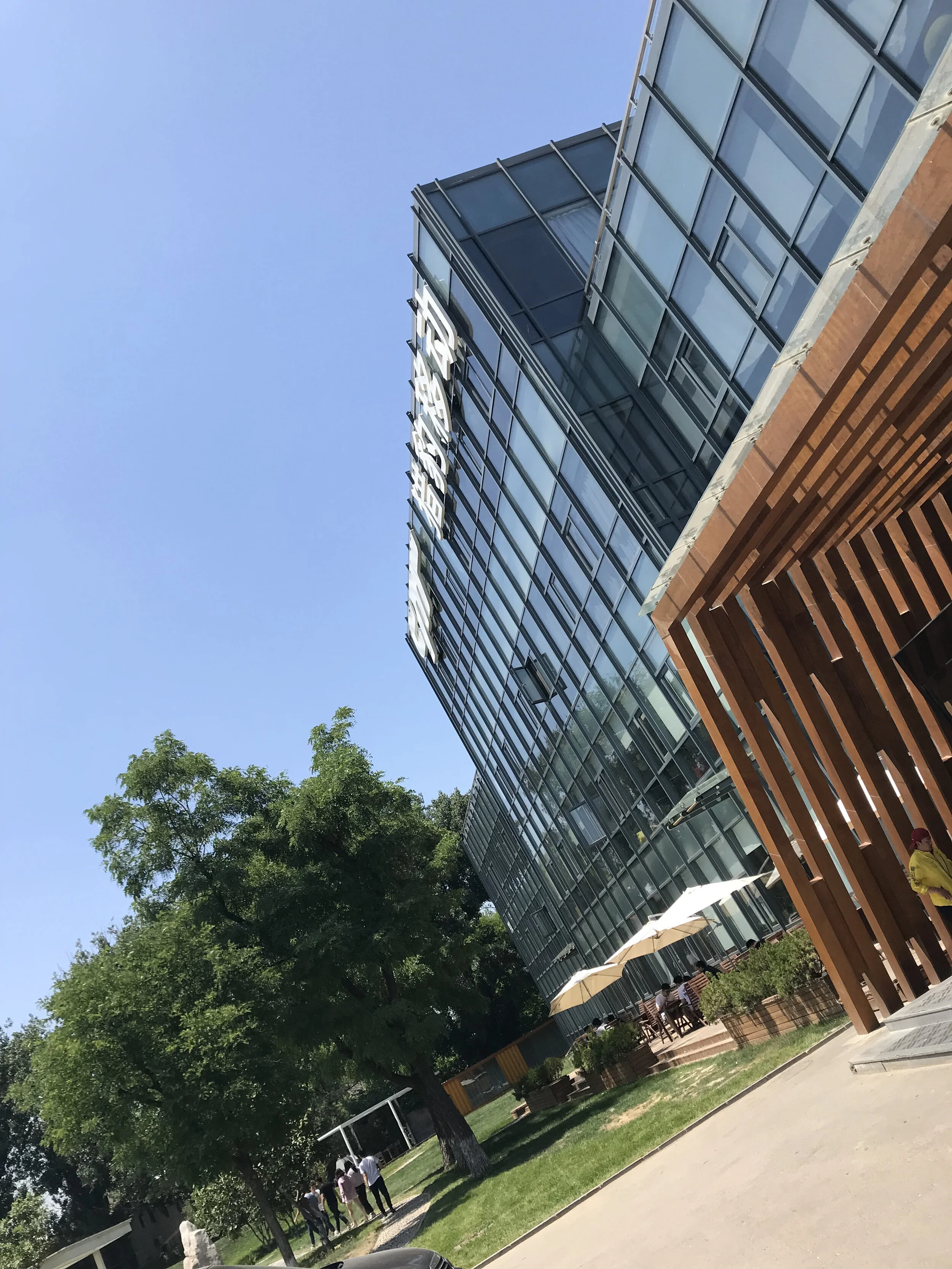
Cheetah Mobile Headquarters in Beijing, China.
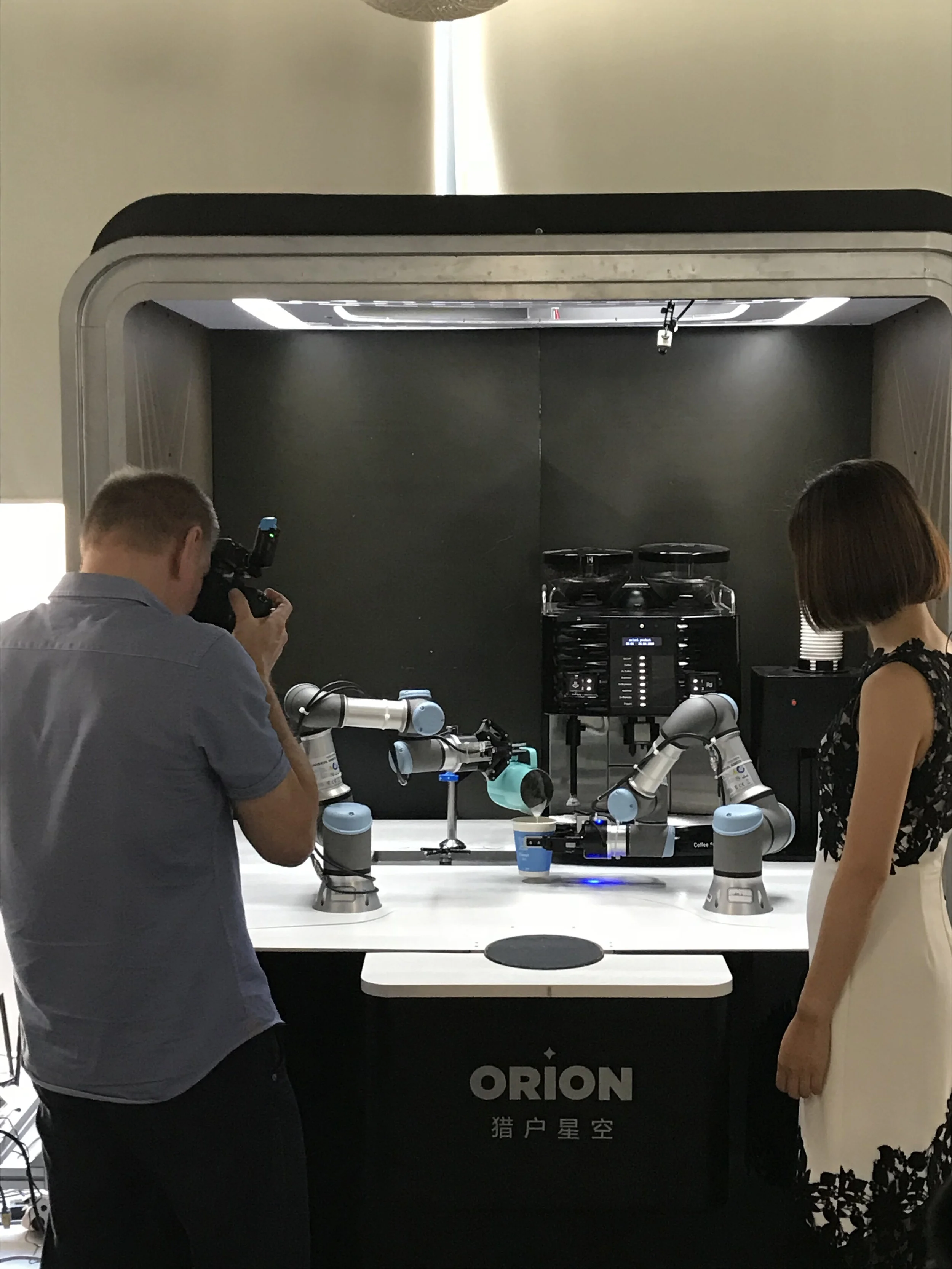
Getting a demonstration and taste test of the robotic barista.
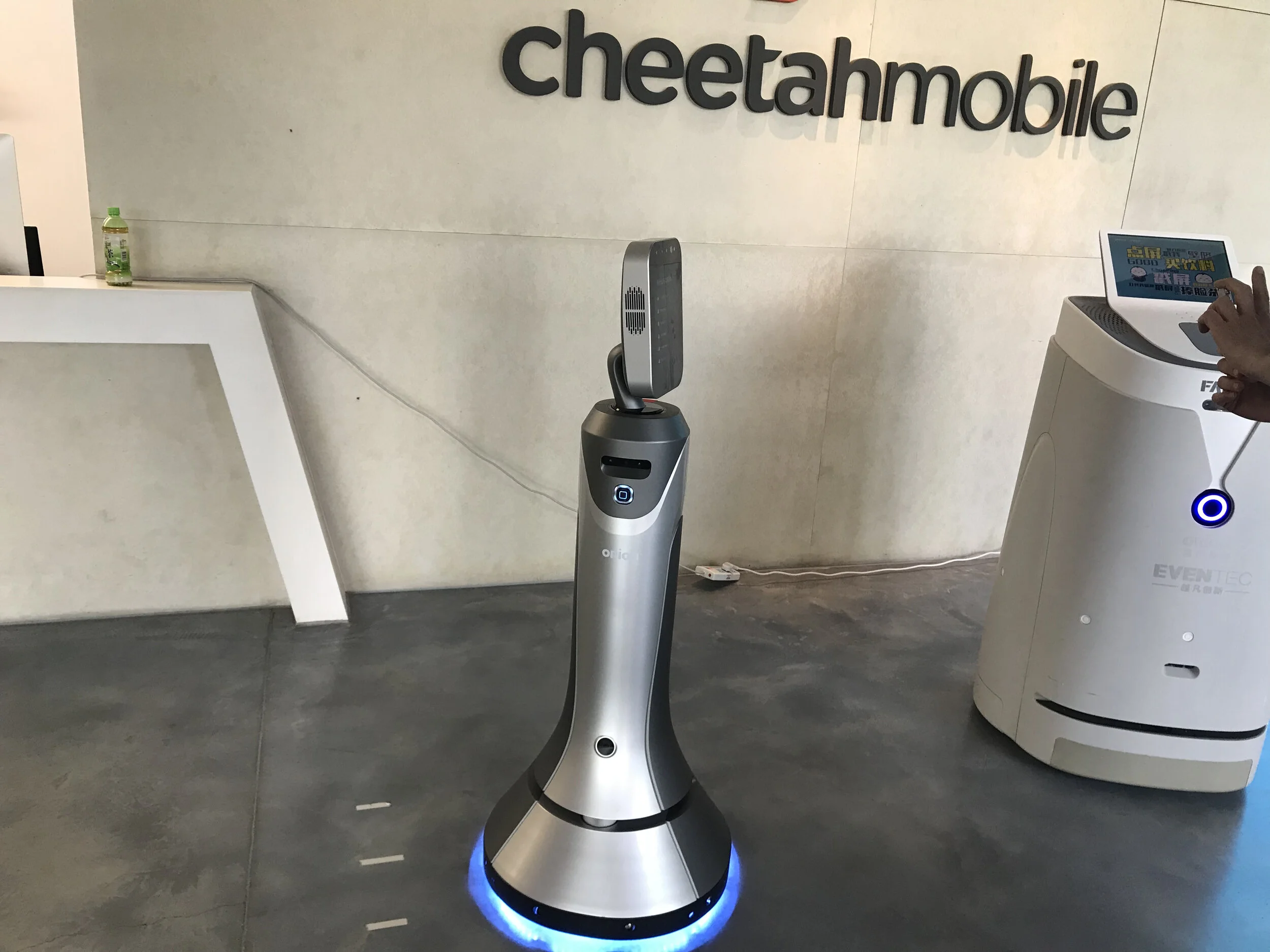
The greeting robot and the refreshments robots next to the front desk.
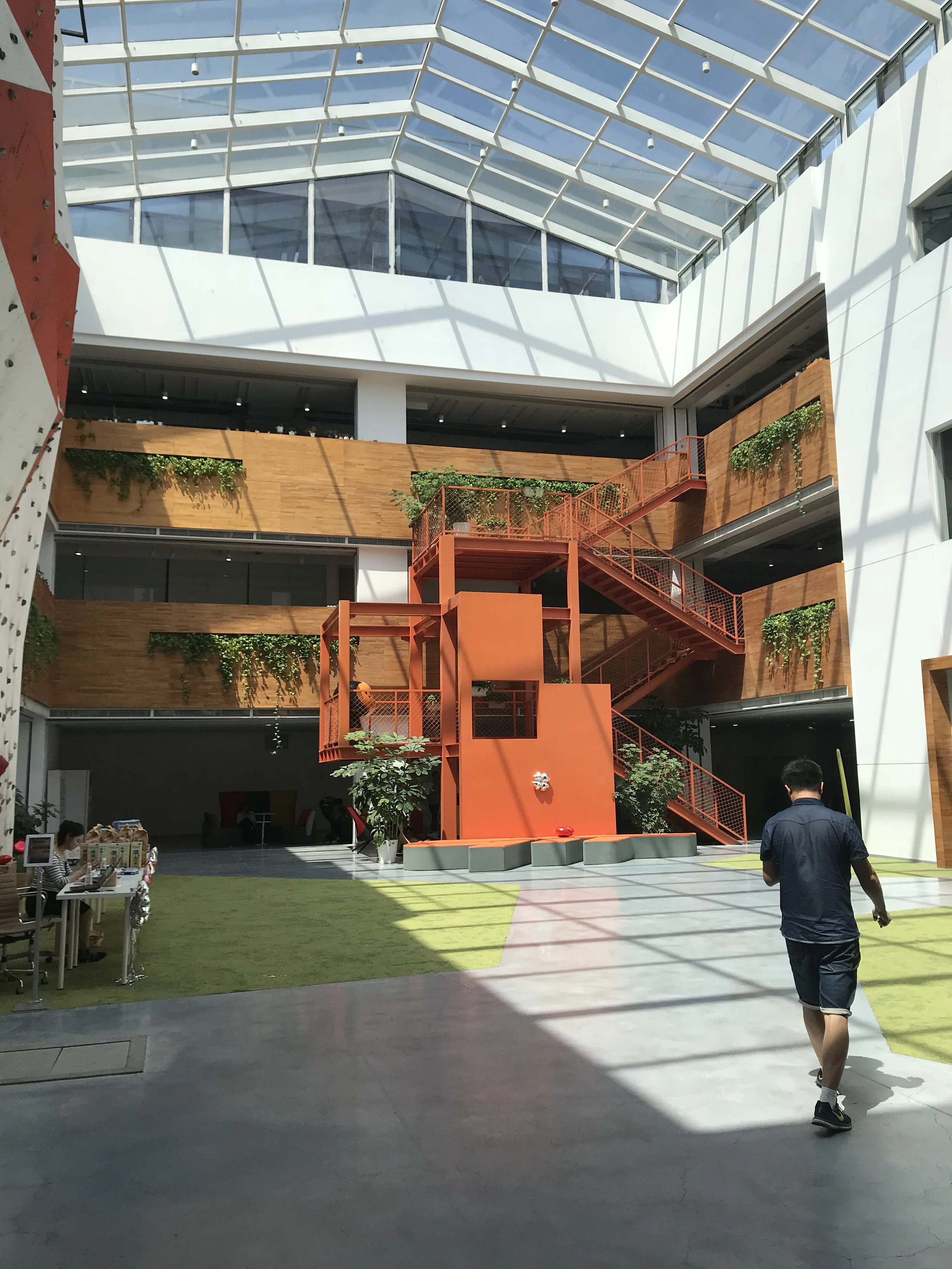
Beautiful open roof headquarters with a rock climbing wall on the left.
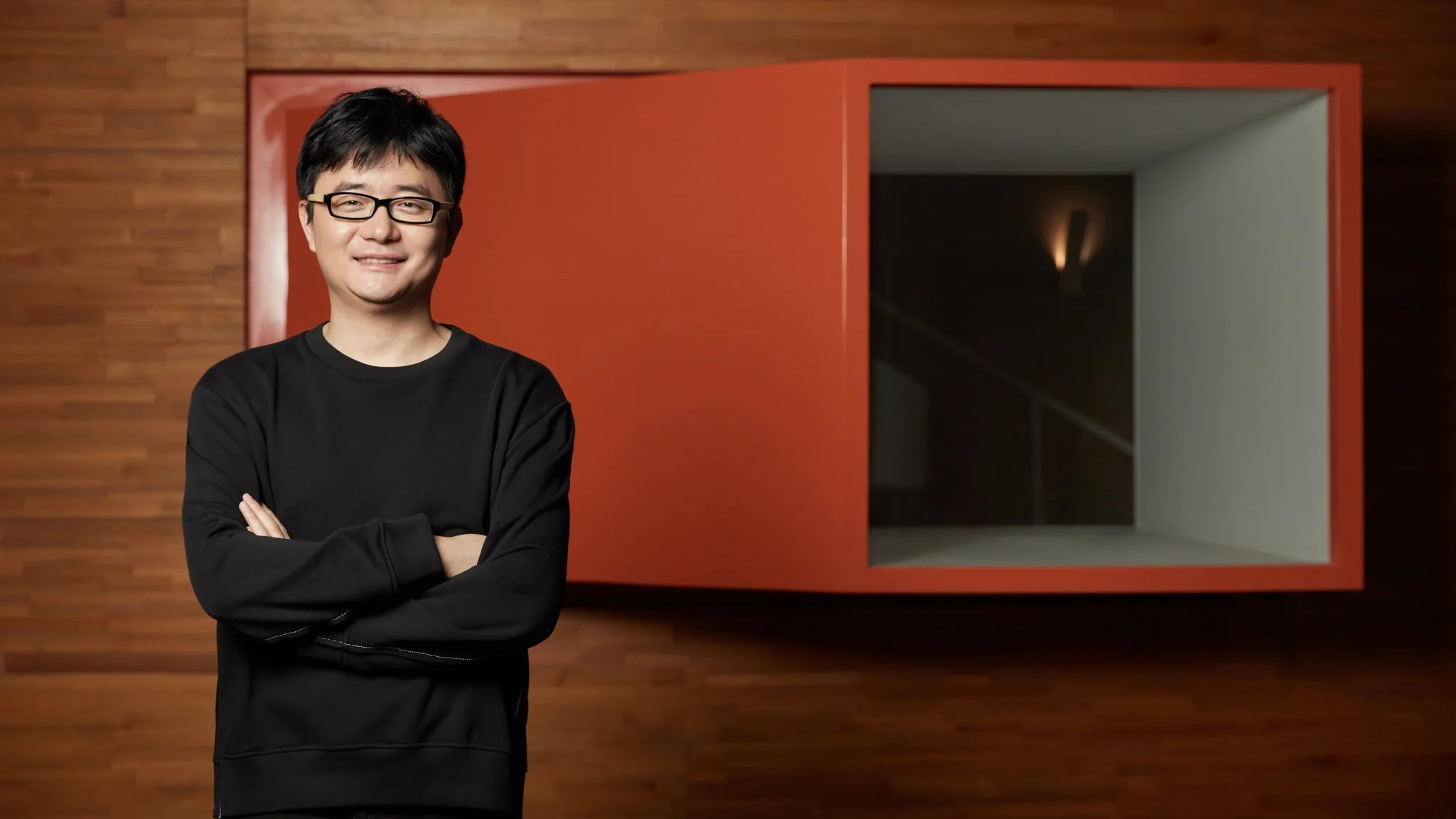
CEO of Cheetah Mobile, Sheng Fu, whom Justin interviewed for a documentary.
30-Year Anniversary of Kubuqi Desert Eco-Restoration
After exceeding expectations on his first interview, Justin was then forwarded the opportunity to attend the 30th Anniversary of Kubuqi Desert Eco-Restoration. At this United Nations sponsored event, the Chinese firm Elion Resources Group partnered with local people of the Kubuqi area and the Beijing government, were internationally recognized in their efforts to combat desertification. During this event Justin had the chance to interview the founder of Elion and one of the leading scientific minds behind this giant project - Wang Wenbiao. Following this interview and staging section of the production, he went on to interview two UN figures, the latter being Erik Solheim. At this time Erik Solheim was not only the Under Secretary General of the UN, but also the Executive Director of the UN Environment Program. These three interviews were then used on a segment of CNN Asia, celebrating this monumental environmental success.
More coverage by CCTV News Agency here

The former Undersecretary of the UN speaking at the 30 year Anniversary of Desert Eco-Restoration in China.
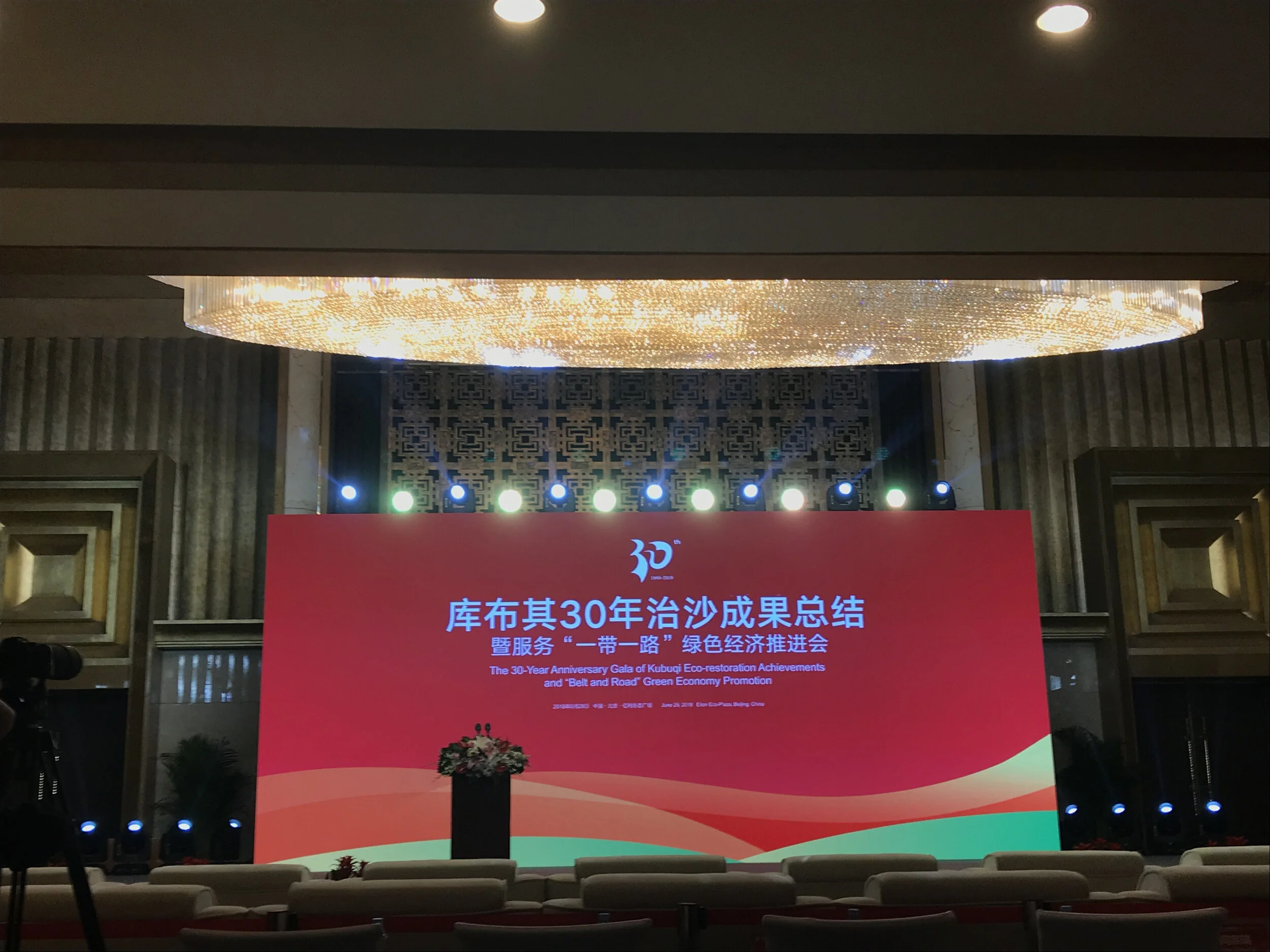
Setting up angles for the stage.
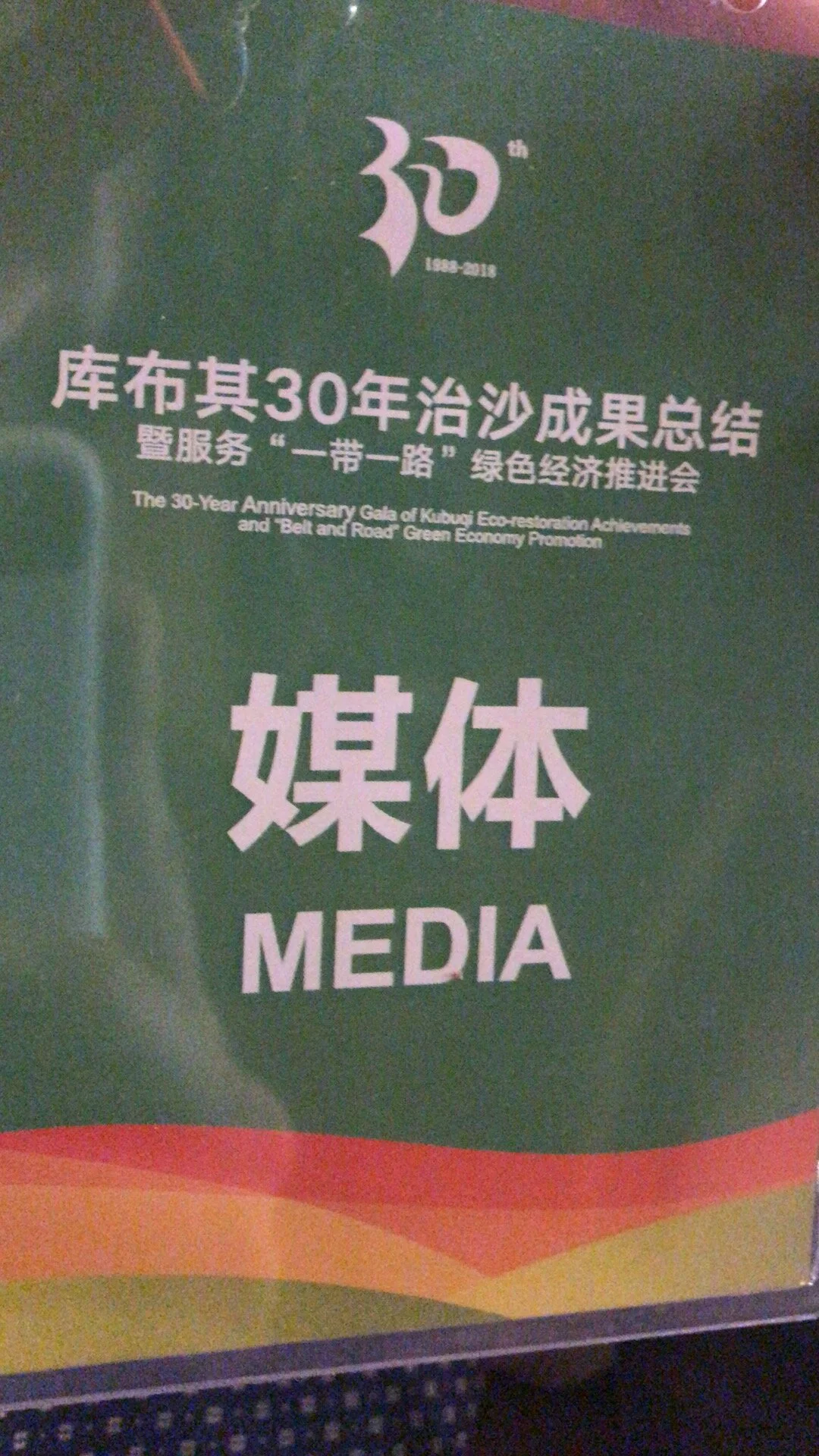
My first ever official media pass!

A garden growing in the Kubuqi Desert in China.

An manmade oasis in the Kubuqi Desert, seventh largest desert in China.

A worker in the recently restored fields of the Kubuqi Desert.

Lab tests of plant matter being run to further eco-restorative measures in the Kubuqi Desert.
AI Robotic Brain Surgeon Remebot
In his third contracting position as a part of Re:Source Media, Justin was directed to do investigative journalism on the unreported topic of “Cancer Hotels”. At the heart of the issue were patients who came long distances to receive care at modernized & cutting-edge hospitals that offered advanced care specifically for patients with any form on cancer. However, in the vast majority of cases people would leave their rural hometown, sell their land and most of their belongings, then come to major cities to find the modernized expensive care. With such high costs of cancer-related care and rapidly rising cancer rates, almost all of the people coming from these areas had very little money for medication, food, and housing. As a result of this trend, the instances of “Cancer Hotels” began to emerge, entire buildings of cancer patients would gather together for housing, food, and medication. With this ongoing phenomenon, Justin was tasked with interviewing people around these areas, gaining their trust for interviews on the issue. After spending over a dozen hours on the street by himself, he found the opportunity to cover a different kind of surgery with someone fighting brain cancer.
This brain cancer surgery was one of the very first to be conducted solely by and AI programmed robotic arm. The AI programmed equipment was developed by Remebot, and Justin was able to not only interview the patient and her family, but also suit up in scrubs and actually film some of the surgical process. As the section aired on CGTN, the world was able to see what her experience was like both before and after this extremely minimally invasive surgery.
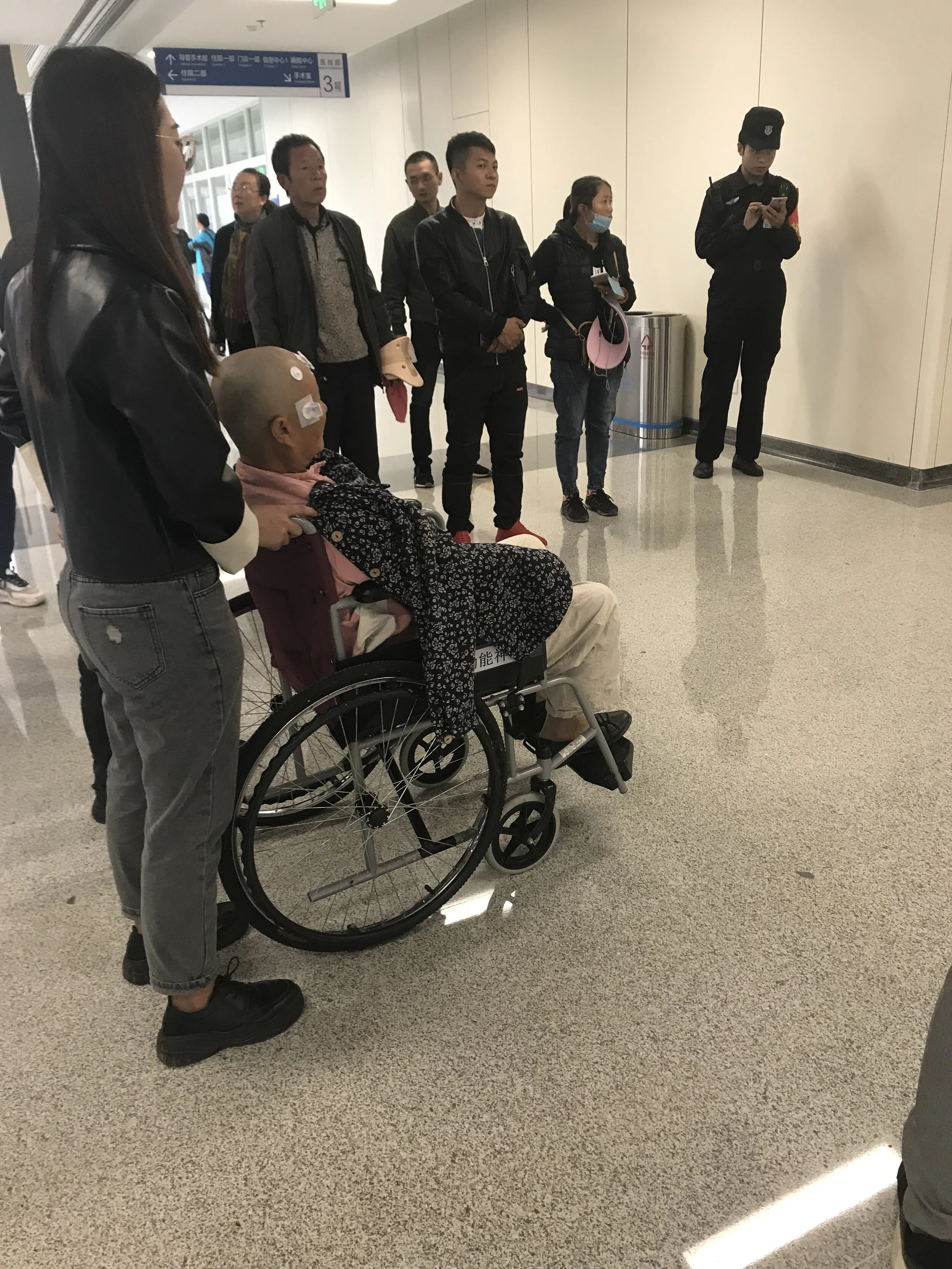
Our interviewee before her entry into a fully automated robotic brain surgery.
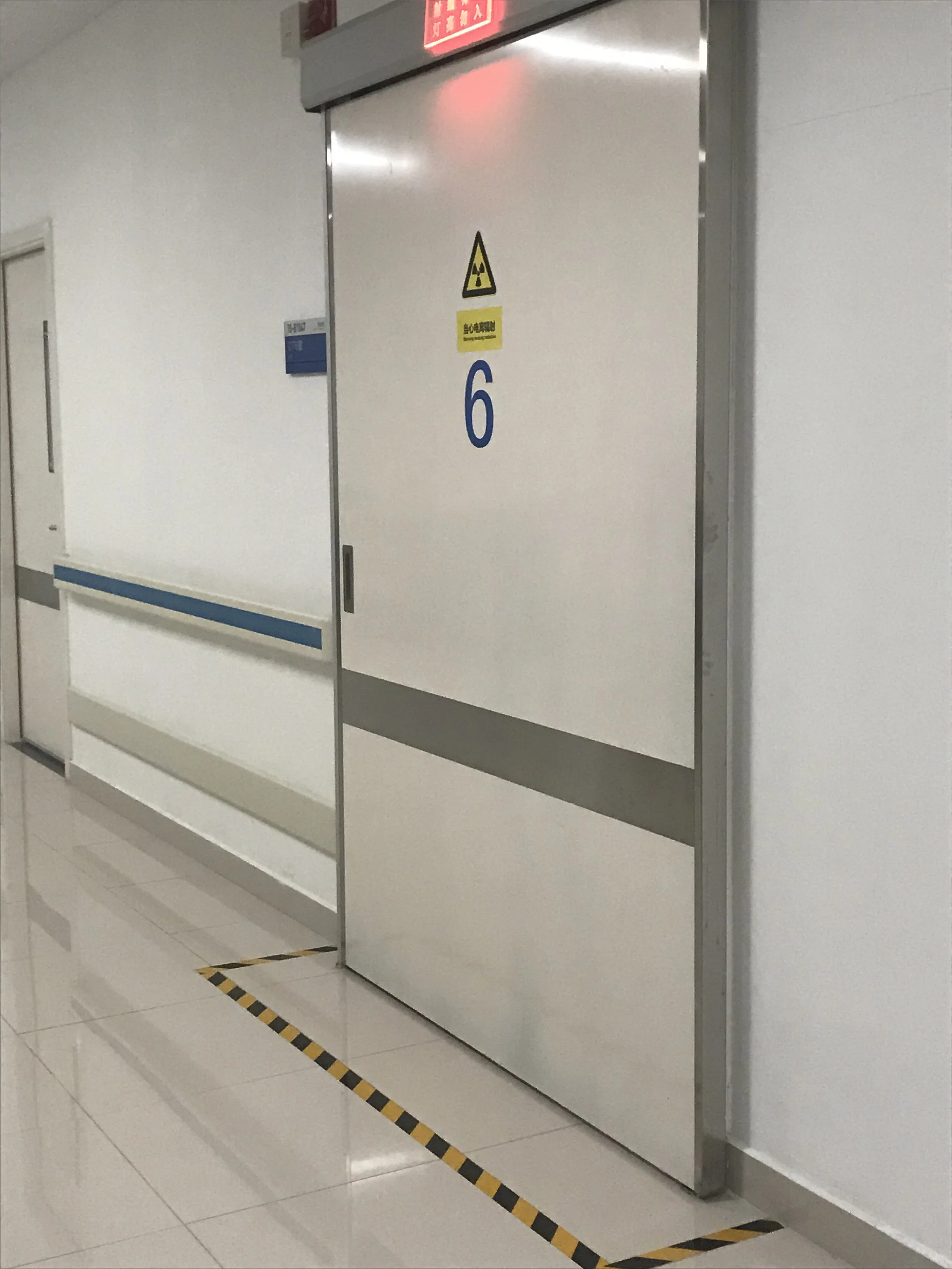
On our way to film her cat scan and get quotes from the family.
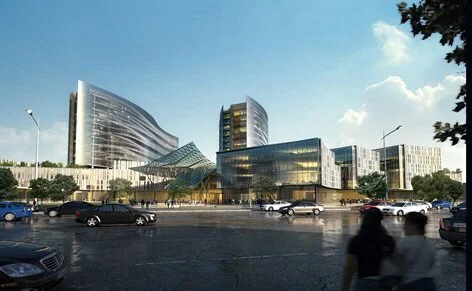
The outside of the hospital we visited our interviewee at.

The high tech equipment used in this fully AI brain surgery.
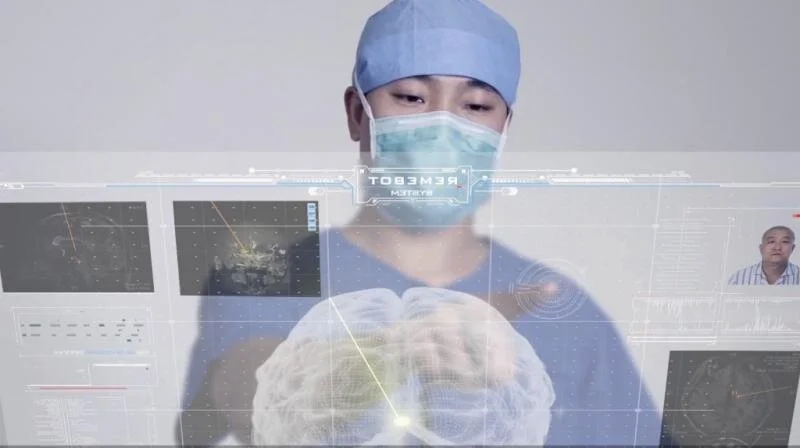
A picture of the company that offers this service, Remebot.